
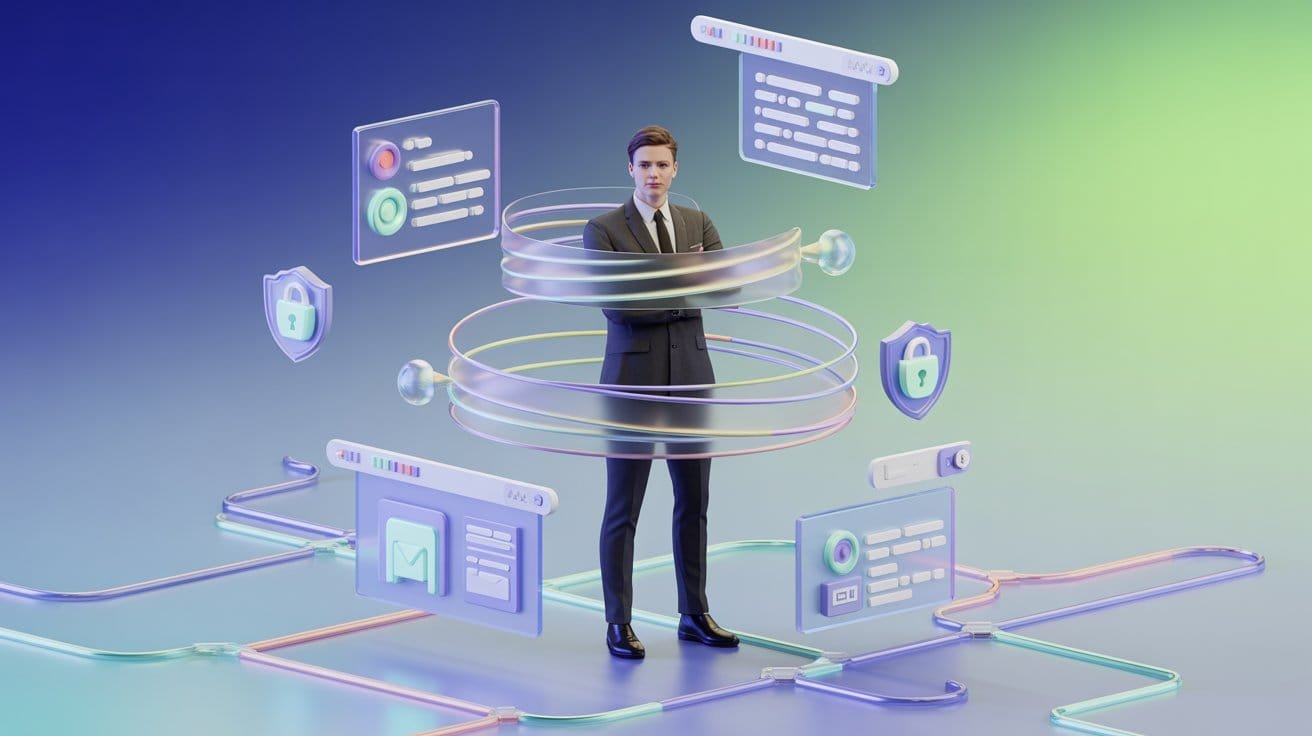
Every year, someone declares that digital marketing has “changed forever”. Oftentimes, this can just be hype. In 2026, however, certain changes are real and lasting. Privacy laws have tightened, AI is taking hold in every sector, and search is evolving, while customers expect more value per click they give you.
Future digital marketing won’t involve hunting down every new tool. Rather, it should involve developing an adaptable system that continues to work even as algorithms, platforms and policies evolve. If long-term traffic growth and predictability are what you want, then here’s what will matter in 2026 and beyond.
- AI-Assisted, Human-Led Marketing
Yes, AI is here to stay – however, it will never replace an experienced strategist any time soon. In practice, AI acts more as an assistant than its master. Smart teams will use it to:
- Research topics, themes and audience language faster
- Draft outlines, variations and test ideas
- Automate simple tasks such as tagging, reporting and routing leads
Future winners won’t necessarily be brands with the highest output from AI-generated content. Rather, it will be those that effectively combine AI speed with human judgment, original insight and true customer understanding – meaning letting a model do the heavy lifting while people make crucial calls.
- First-Party Data is Your Real Competitive Edge
Third-party cookies are diminishing, ad platforms are evolving their rules, and tracking becomes harder each year. That pushes one asset forward: your own data.
An effective digital marketing strategy in 2026 should consider first-party data to be its core product.
- Consent-based email lists and CRM records need to be regularly maintained for maximum effectiveness.
- Clear preferences and behaviour data from your site and app
- Simple but accurate segmentation, based on how people actually buy
With this, you can speak directly to the right groups through email, SMS, retargeting and personalised on-site experiences. When ad costs go up or algorithms change, your owned data keeps you stable.
- Search is Shifting, but SEO is not Going Away
Search results already look different – AI summaries, richer snippets, more zero-click answers. That trend will continue. It does not kill SEO; it changes how you approach it.
In the future of digital marketing, SEO will focus on.
- Brand authority: people searching for you by name, not just for keywords
- Helpful, original content that answers questions better than generic AI text
- Strong topical clusters, not dozens of thin pages on small variations of a term
- Technical health and fast, smooth experiences on every device
You are not just optimising for “the algorithm”. You are building a site that both humans and search systems can trust. That is what keeps organic traffic strong for years.
- Short-Form Content and Creators Move from “Nice to Have” to Pipeline Drivers
Short-form video has always been an integral component of how people engage with brands. But by 2026, it will play an even larger role – especially on mobile-first platforms – to discover them. The shift is simple.
- People want quick proof and personality, not just polished ads
- Creator partnerships feel more believable than traditional endorsements
- Algorithms reward consistent, engaging posting more than big, rare campaigns
Future-focused brands will build systems for this – simple formats, clear hooks, and a steady flow of short videos and clips that point back to lead capture pages, not just to “awareness”. The goal is still the same: use content to feed your funnel, not just to entertain.
- Conversion and Profit Beat Vanity Metrics
The days of celebrating “reach” and “engagement” without context are fading. In 2026, the pressure to prove ROI will only increase.
- Your digital marketing in 2026 should be built around a few questions.
- How many qualified leads did each channel bring in
- What is the cost per lead and cost per sale
- Which campaigns help lifetime value, not just first purchases
- Where in the funnel are we losing the most money
This does not require an enterprise analytics stack. Even smaller teams can track basic numbers, run simple tests and shift budget toward what genuinely produces profit. Brands that embrace this discipline will outlast those that still chase “virality”.
- Experience Becomes a Ranking Factor in Everything
Users do not separate “marketing” and “experience”. If your pages are slow, confusing or hard to use on a phone, they leave.
That is why the future of digital marketing leans heavily on experience.
- Clear, fast landing pages with one main action
- Forms and checkouts that work flawlessly on mobile
- Helpful micro copy that explains what happens after a click
- Consistent design and messaging from ad to email to website
Search engines already reward sites that behave well. Customers do too. The brands that invest in conversion rate optimization and user experience will turn the same traffic into more revenue.
- Simple, Adaptable Frameworks Beat Rigid Plans
The pace of change is not slowing down. New platforms, formats and privacy rules will keep arriving. The safest move is not a fixed five-year plan. It is a simple framework you can adapt to.
Think in cycles.
Plan: Establish clear goals and select specific tactics.
Execute: Carry out focused campaigns instead of doing everything at once.
Measure: Monitor only key metrics that matter for success.
Adjust: Keep what works, drop what doesn’t, try one new idea
Teams that adopt this method of working will find that new tools, channels and creative concepts can easily fit into an established core strategy without the need to reinvent everything every year.
Conclusion
Digital marketing in 2026 will not simply involve following trendy fads. Instead, brands must focus on building systems that respect data, use artificial intelligence intelligently, focus on profits and deliver experiences their customers genuinely love. Businesses that get these fundamentals right will stay ahead, no matter the ever-evolving landscape.
Revolute X Digital can assist businesses in turning ideas into practical strategies, from SEO and content creation, paid media buys and conversion optimization. If you want a digital strategy that still works next year rather than this quarter, our team can design, test and scale a future-ready marketing engine tailored specifically to your goals. Reach out today and learn more!
FAQs
What is digital marketing and why does it matter?
Digital marketing is the process of using online channels like search engines, social media, and websites to attract, engage, and convert customers. It matters because most buying decisions now start online, and visibility directly impacts revenue.
What is the future of digital marketing?
The future of digital marketing focuses on data ownership, automation, and user experience. Businesses that build systems using first-party data, helpful content, and consistent lead generation strategies will outperform those chasing trends.
Is SEO still worth investing in?
Yes, SEO remains one of the most valuable long-term marketing channels. It helps businesses attract high-intent traffic, build authority, and generate leads without relying entirely on paid ads.
How is AI changing digital marketing?
AI is improving efficiency by helping with:
- Content research and drafting
- Data analysis
- Automation of repetitive tasks
However, strategy, creativity, and decision-making still rely on human expertise.
What is first-party data in digital marketing?
First-party data is information you collect directly from your audience, such as:
- Email subscribers
- Customer behavior on your website
- CRM data
It allows you to market more effectively without relying on third-party platforms.
What are the most important digital marketing metrics?
The most important metrics are tied to business outcomes:
- Leads generated
- Conversion rate
- Cost per lead
- Revenue per channel
These matter more than vanity metrics like impressions or likes.
How can I build a digital marketing strategy that works long-term?
A strong strategy includes:
- Clear target audience
- Consistent traffic sources (SEO, ads, social)
- Lead capture system (offers, forms)
- Follow-up process (email, retargeting)
- Ongoing optimization
The goal is consistency, not quick wins.
What role does content play in digital marketing?
Content builds trust, answers customer questions, and supports conversions. Good content helps people understand your value before they decide to buy.
Why is user experience important in digital marketing?
User experience affects both rankings and conversions. A fast, clear, and mobile-friendly website keeps visitors engaged and increases the chances they take action.
Can small businesses succeed in digital marketing?
Yes, small businesses can succeed by focusing on:
- Niche targeting
- Local SEO
- Consistent content
- Simple lead generation systems
You don’t need a large budget—just a clear strategy.
What is the biggest mistake in digital marketing?
The biggest mistake is focusing on activity instead of results—running campaigns, posting content, or buying traffic without tracking whether it leads to real customers.
How do I adapt to changes in digital marketing?
Instead of chasing every new trend, build a simple system:
- Plan → Execute → Measure → Adjust
This allows you to stay flexible while maintaining consistent growth.
What are AI tools in digital marketing and how are they used?
AI tools in digital marketing help businesses automate tasks, create content, and analyze data faster. They are commonly used for writing content, improving SEO, managing campaigns, and understanding customer behavior. Instead of replacing marketers, AI tools support better decisions and make marketing more efficient.

Jason
We are an Affordable Digital Marketing Agency in Shawnee with budget-friendly solutions to amplify your brand. Elevate your business without compromising quality or cost.