
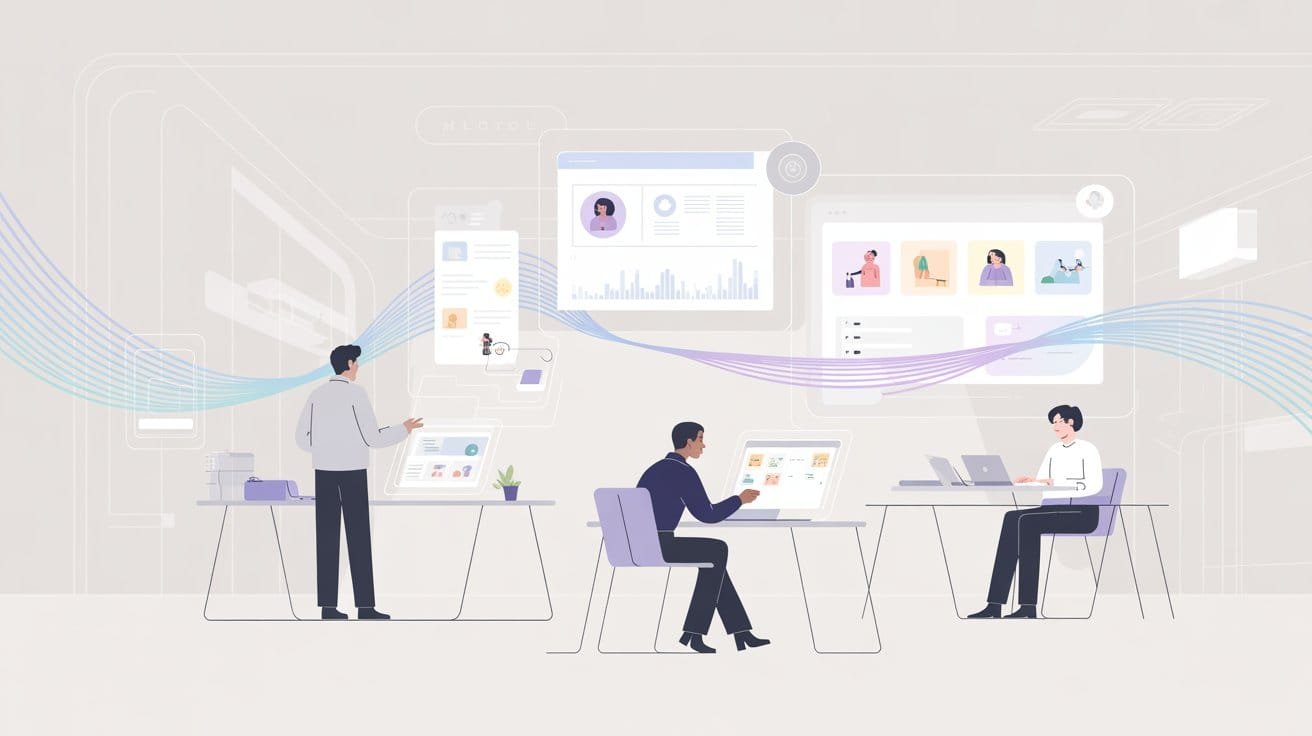
By 2026, artificial intelligence AI has shed its “novelty” label and come to be the backbone of modern advertising. No longer a buzzword, AI is now embedded in how manufacturers analyze, strategize, and execute campaigns. It’s not approximately automation for its personal sake—it’s approximately amplifying human potential.
Let’s cut through the hype and explore the real-world workflows, gear, and outcomes reshaping advertising and marketing today.
The Pros and Cons of Using Artificial Intelligence in Marketing
1. Personalization That Adapts in Real Time
Gone are the days of static segmentation. AI now enables micro-level personalization, tailoring experiences to individual behaviors, preferences, and intent in real time.
What’s happening:
- Websites dynamically adjust content based on a user’s browsing history.
- Email sequences regenerate subject lines and CTAs as subscriber interests evolve.
- Product recommendations are no longer random—they’re predictive, using AI to anticipate what customers might want before they do.
- Offers are calibrated for conversion likelihood, ensuring high-intent leads see premium incentives.
Example: A beauty retailer built an AI-powered “adaptive funnel” that changed email content, product suggestions, and even the timing of offers. The result? 37% higher conversions and a 20% drop in unsubscribes.
2. AI-Assisted Creative Production
AI isn’t replacing creatives—it’s making them more productive and precise.
How it helps:
- Generates hundreds of ad variations (copy + visuals) for A/B testing.
- Ensures brand consistency across all versions.
- Produces localized campaigns in multiple languages in minutes.
- Speeds up time-to-market for seasonal campaigns.
Example: An apparel brand used AI to create tailored ad variants for micro-audiences. Cost per acquisition dropped 28%, while ROAS rose 20%.
3. AI Agents Handling Routine Marketing Tasks
In 2026, AI assistants are full-fledged team members—managing tasks, workflows, and even proposing strategic moves.
Key applications:
- Setting up ad campaigns with recommended budgets and audiences.
- Writing and scheduling social content calendars.
- Monitoring competitors and summarizing performance data.
- Automating real-time optimizations (e.g., bid adjustments).
Example: A SaaS company’s AI “assistant” drafts Meta and Google Ads setups. Humans review, approve, and launch—cutting setup time from hours to minutes.
4. Predictive Analytics Guiding Strategy
Marketers are no longer guessing; they’re forecasting outcomes with precision.
AI’s role:
- Predicting campaign performance ROI before launch.
- Identifying customers at risk of churning.
- Recommending budget allocations based on projected impact.
- Pinpointing high-value customers to target.
Example: A subscription coffee brand reallocated ad spend based on AI’s LTV predictions. Customer acquisition costs fell 32%.
5. Smarter SEO and Content Planning
AI has become the strategic ally of SEO teams, not just a content-writing tool.
Current uses:
- Analyzing SERPs to uncover competitors’ ranking tactics.
- Creating topic clusters and content outlines.
- Predicting ranking odds before content is published.
- Generating programmatic landing pages optimized for intent.
Example: A fintech company used AI to rebuild its content strategy. Organic traffic surged 64% in five months.
6. Real-Time Ad Optimization
AI outperforms humans in its ability to constantly adjust campaigns—something no human team could replicate at scale.
Key adjustments:
- Adjusting budgets hourly based on performance.
- Swapping creatives when engagement dips.
- Modifying audience targets as behavior shifts.
- Allocating spend across channels in response to trends (e.g., weather, events).
Example: A food delivery brand’s AI tweaked ads during rainstorms and lunchtime rushes. Peak-day performance improved by 45%.
7. AI-Enhanced Customer Support That Fuels Marketing
Support interactions are no longer siloed—they’re a goldmine for AI-driven marketing insights.
Behind the scenes:
- Chatbots recommend products while answering FAQs.
- Sentiment analysis identifies pain points and satisfaction drivers.
- Churn-risk customers trigger personalized retention campaigns.
- Support data informs product updates and campaign themes.
Example: A telecom provider used AI to predict churn and launch retention efforts. Churn dropped 11% in a single quarter.
8. AI Bringing Intelligence to Offline Experiences
Physical retail is getting a high-tech upgrade—and it’s all AI-powered.
Applications in the real world:
- Smart shelves track which products attract the most attention.
- Digital signage adapts content based on customer demographics nearby.
- Store layouts are optimized using foot traffic analysis.
- Event apps capture attendee behavior and automate follow-up.
Example: A sporting goods retailer used AI-powered shelf analytics to boost product placement. Featured product sales jumped 24%.
Final Consideration!
Marketing Is Now Human + Artificial Intelligence
Marketing in 2026 isn’t about replacing humans with machines—it’s about amplifying human creativity and approach with AI’s pace, scalability, and records-processing power.
- AI handles: Data-heavy evaluation, repetitive duties, predictive modeling, and A/B testing.
- Human beings Awareness on: brand storytelling, big-picture approach, and emotional connections.
The maximum successful groups have embraced a shared workflow version, where AI and humans collaborate seamlessly. For marketers, the query isn’t “need to use AI?” but “How fast are we able to combine it into every layer of our method?”
At RevoluteX Digital, we help you unlock AI’s potential to enhance marketing, increase ROI, and drive growth in 2026. Our devoted crew uses only refined approaches to make sure your success in the marketing industry.
We comprehend:
In the age of AI, the winners aren’t those who automate—they’re those who augment.
Don’t hesitate to reach RevoluteX Digital today!

Jason
We are an Affordable Digital Marketing Agency in Shawnee with budget-friendly solutions to amplify your brand. Elevate your business without compromising quality or cost.