
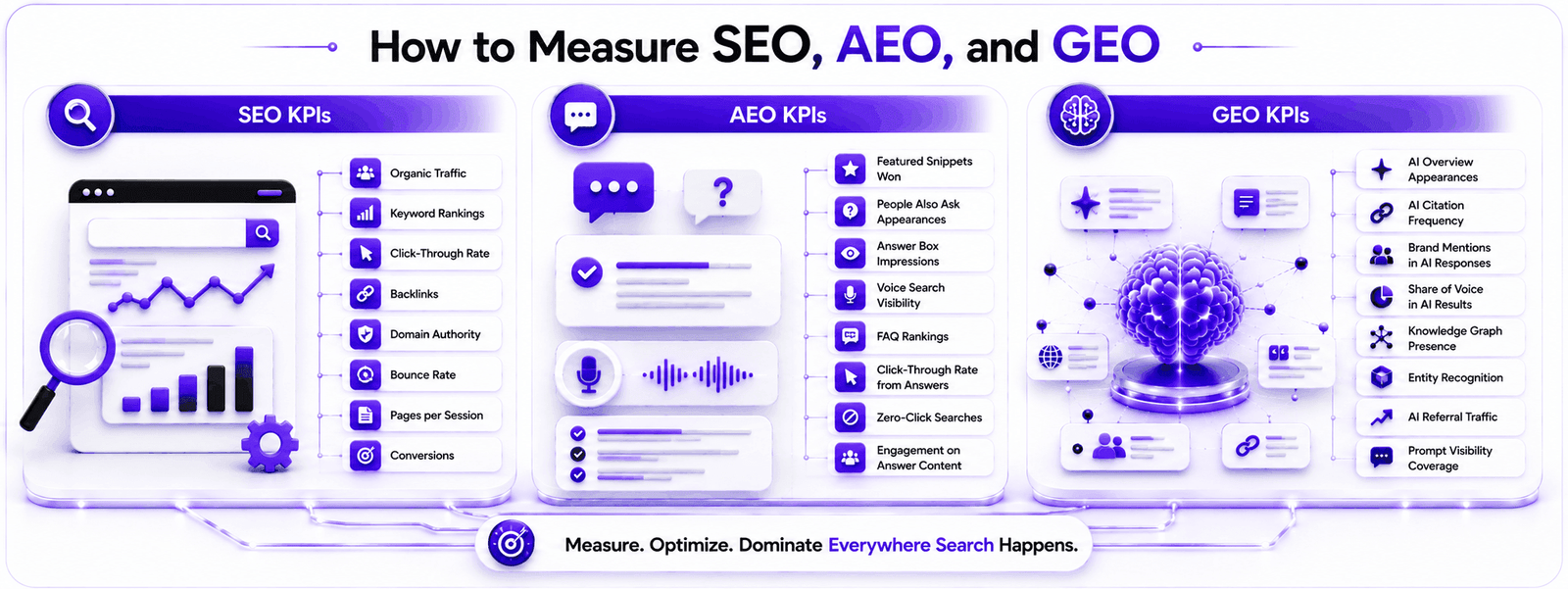
Rankings are useful SEO signals, but they are not the business outcome most small companies care about. A keyword moving from page two to page one can be encouraging, yet it does not prove that the change produced a call, form submission, appointment, or sale.
To measure SEO leads properly, connect organic visibility to meaningful actions and then evaluate the quality of those inquiries. The result is a clearer picture of whether SEO is helping the business grow.
Define What Counts as an SEO Lead
Start by defining the actions that matter. Depending on the business, an SEO lead might be a completed contact form, phone call, consultation request, appointment booking, quote request, or another qualified inquiry.
Do not treat every interaction as equally valuable. A newsletter signup and a request for a service estimate may both be conversions, but they represent different levels of commercial intent.
Connect Organic Traffic to Conversion Actions
Use analytics and conversion tracking to identify which organic visitors complete meaningful actions. Look at the landing page, search channel, device, and conversion type where the available data supports those comparisons.
This is where a focused website SEO strategy becomes easier to evaluate. Instead of asking only whether traffic increased, you can ask which pages attract visitors who actually take the next step.
Separate Leads From Qualified Leads
Lead volume can be misleading. A website may generate more forms while producing fewer inquiries that match the company’s service area, budget, or actual offerings.
Create a simple qualification framework. For a local contractor, for example, useful fields might include service needed, location, project type, and approximate scope. The goal is not to make forms difficult; it is to understand whether SEO is attracting the right demand.
Measure the Pages Behind the Leads
Review which service pages, landing pages, and educational articles assist conversions. A blog post may introduce a visitor, while a service page closes the gap between research and inquiry. Looking only at the last page can hide that relationship.
Internal links matter here because they help visitors move from information to commercial pages. A strong lead generation strategy should connect content, conversion paths, and follow-up rather than treating traffic and leads as separate activities.
Use Rankings as Supporting Evidence
Keyword positions still matter because they indicate visibility for targeted searches. Search impressions, clicks, click-through rate, and ranking changes can help explain why lead performance moved.
But rankings should support the story, not replace it. If a high-ranking keyword produces visitors who never become customers, the business may need to revisit search intent, the landing page, or the offer.
Review Trends Instead of One Good Month
SEO performance can fluctuate. Compare meaningful periods and look for patterns in leads, qualified inquiries, organic traffic, and important landing pages. A single ranking jump or slow month rarely explains the whole picture.
Document what changed, what evidence supports the conclusion, and what should be tested next. This makes reporting more useful for business decisions.
Frequently Asked Questions
Are keyword rankings still important for SEO?
Yes, rankings help show whether targeted search visibility is improving. They are best interpreted alongside clicks, conversions, and qualified leads.
What is the most important SEO conversion?
It depends on the business. The strongest conversion is usually the action closest to a real sales opportunity, such as a qualified call, quote request, or booked appointment.
Can SEO leads be measured if customers call instead of using a form?
Yes, with appropriate call tracking and analytics configuration. The exact setup depends on the website, phone system, and measurement tools being used.
Measure the Business Result Behind the Search Result
A useful SEO measurement system connects visibility to action and action to lead quality. Track the conversions that matter, inspect the pages that influence them, use rankings as supporting evidence, and review trends over time. That shifts SEO reporting from “we gained rankings” to the more useful question: “Is organic search producing better business opportunities?”

Jason
We are an Affordable Digital Marketing Agency in Shawnee with budget-friendly solutions to amplify your brand. Elevate your business without compromising quality or cost.